How to Extract and Match Nail Polish Shades from Any Photo: A Stylist’s Guide
It is a common scenario: seeing a beautiful color on a piece of clothing, a flower, or a celebrity's fingertips, and wanting that exact shade for a manicure. Finding the retail bottle that matches that color, however, usually requires guessing in the store. Recommending the correct polish shade matches demands an understanding of color pigments, finish reflectivity, and how lighting changes the perception of color.
The Physics of Color: Why Direct Scanning Matters
To match a color, color science relies on color models that separate light. The most common is the RGB model (Red, Green, Blue) and hexadecimal codes. A digital scanner analyzes the pixels of an image, averages the dominant tones, and outputs a 6-digit hex code.
However, a hex code alone will not help at the drugstore. That is why these codes are mapped to the databases of major brands like OPI, Essie, and Sally Hansen. This matches the digital hex code with actual pigment formulas available for purchase.
Understanding Polish Finishes and Their Reflexes
A shade's appearance is heavily influenced by its finish. The same red pigment will look completely different depending on how it reflects light:
Cream (Solid Shine)
The standard finish. Pure pigment with no shimmer. It provides full coverage and a glossy shine. Highly predictable and true to the bottle color.
Matte (No Reflection)
Absorbs light instead of reflecting it. Gives a velvety, modern finish. Matte finishes make deep shades (like burgundy or navy) look richer and less harsh.
Metallic & Shimmer
Contains microscopic mica or foil particles that reflect light in multiple directions. Adds depth and a luxurious feel to neutral colors.
Chrome & Holographic
Applies as a powder over a cured base, creating a mirror-like finish that shifts color under different angles. Extremely popular for accent nails.
How to Build a Coordinating Accent Palette
Once you have matched your dominant color, don't stop there. Use color theory to find accent colors for your nail art:
- Analogous Colors (Harmonious): Choose shades adjacent on the color wheel (e.g., orange, terracotta, peach). This keeps the design warm and unified.
- Complementary Colors (Contrast): Choose shades opposite on the wheel (e.g., matching a terracotta orange with an olive green accent). This makes the details pop.
- Monochromatic Layers: Use different depths of the same shade (e.g., pastel pink base, magenta details).
Using an AI shade matcher is a fast, accurate way to identify commercial polishes. Remember to test your colors on a swatch ring or paper first to see how they look under the lighting of your home before painting.
Try Related Styling Studio Tools
AI Seasonal Color Analyzer
Detect cool or warm undertones to discover your color season (Spring, Summer, Autumn, Winter) and your perfect makeup palette.
AI Nail & Outfit Matcher
Harmonize your polish design with your clothing fabric, colors, jewelry tones, and the wedding or date night theme.
AI Nail Art Step Recreator
Upload any nail art image or describe a pattern, and get a professional step-by-step DIY tutorial and Essie/OPI color matches.
Read Flattering Guides & Tips
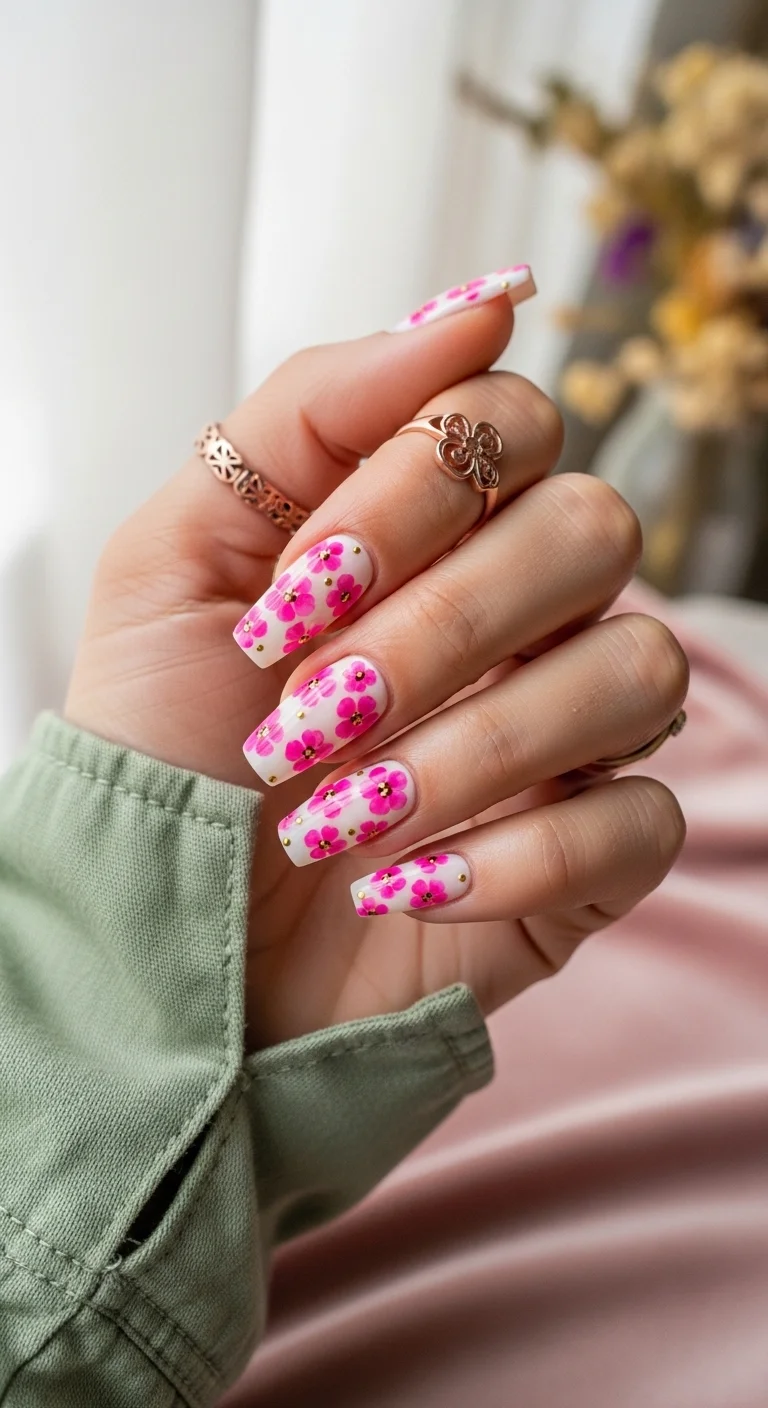
29 Trendy Pink Summer Nails for 2026 💅
Get ready for summer with these 29 trendy pink summer nail ideas for 2026! 💅☀️ From vibrant hot pink and neon fuchsia to soft pastel blush and elegant rose gold accents, find the perfect pink manicure to elevate your summer aesthetic.
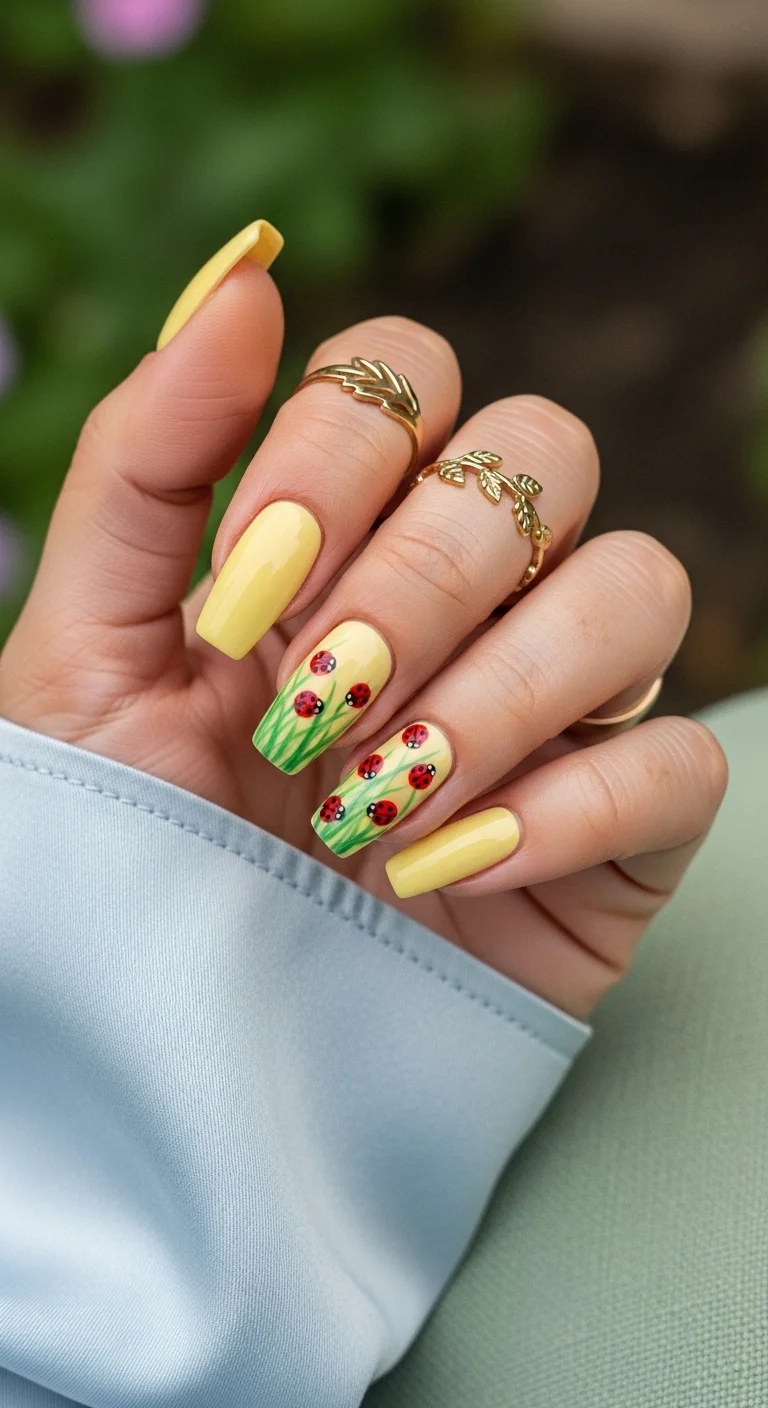
34 Cutest Butter Yellow Nail Designs for 2026 🧈
Brighten up your look with these 34 cutest butter yellow nail designs for 2026! 🧈✨ From soft pastel aesthetics and minimalist daisies to retro swirls, find the perfect sunny manicure to bring warm and happy vibes to your style.
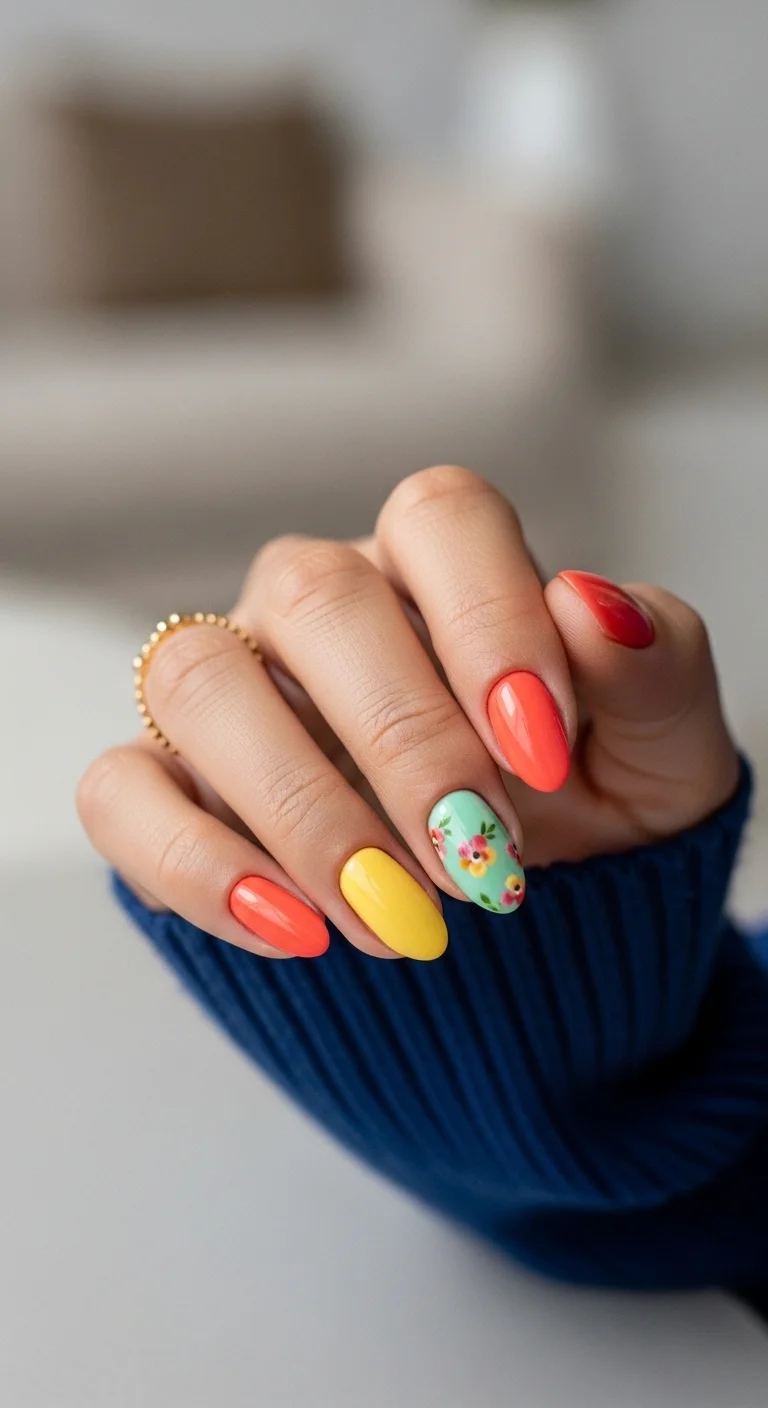
27 Coral Nail Art Designs for a Warm, Tropical Manicure (2026)
Looking for the perfect warm-weather manicure? Discover 27 gorgeous coral nail art designs for 2026! 💅 From tropical florals to sleek geometric blocks, these trending styles are perfect for summer.